

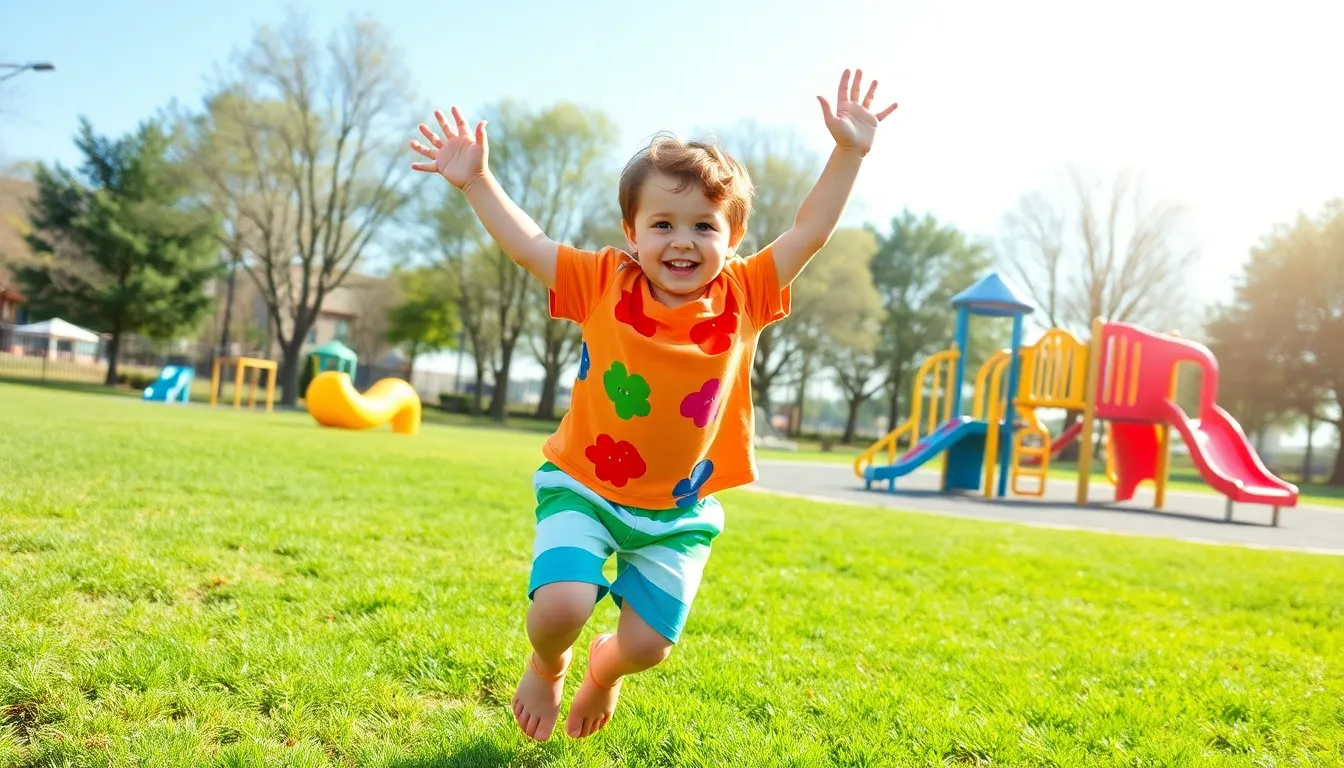
Toddlers are bursting with energy, but let’s face it, keeping them entertained can feel like herding cats. Enter toddler exercise, the magical solution to channel that boundless enthusiasm into something productive. Who knew that jumping, running, and dancing could be the secret ingredients to a happier, healthier little one?
Understanding Toddler Exercise
Toddler exercise plays a crucial role in energy management and overall well-being. Engaging in physical activity contributes to a child’s growth, development, and happiness.
Importance of Physical Activity
Physical activity forms the foundation for healthy habits. Children who engage in regular movement show improved physical fitness and motor skills. When toddlers participate in active play, they develop coordination, balance, and strength. A consistent exercise routine supports their cognitive functions, enhancing concentration and learning capabilities. Research indicates that active toddlers exhibit better social skills, as group activities promote teamwork and communication. Encouraging playful exercise keeps toddlers entertained while establishing a lifelong appreciation for fitness.
Developmental Milestones
Developmental milestones provide benchmarks for assessing growth. Toddlers typically demonstrate increased mobility through walking, running, and climbing by their second year. Engaging in activities like jumping and throwing aids in the mastery of these skills. Exercise promotes muscle development and coordination, critical factors for achieving gross motor milestones. Notably, physical activity also fosters fine motor skills through play with smaller objects, like building blocks or balls. Parents should observe their toddlers as they reach these milestones, ensuring they provide supportive environments that encourage movement and exploration.
Types of Toddler Exercises
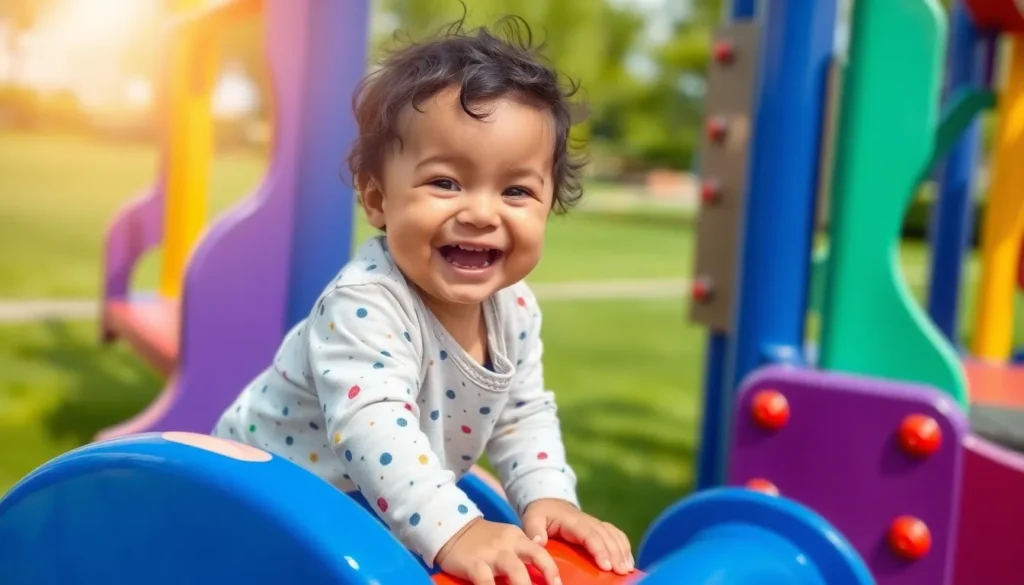
Different types of toddler exercises cater to their unique energy levels and developmental needs. Engaging in a variety of activities promotes physical and cognitive growth effectively.
Outdoor Activities
Outdoor activities offer ample opportunities for toddlers to explore and expend energy. Running around a park allows little ones to practice their coordination and balance. Climbing on playground equipment helps build strength while fostering social interactions. Games such as tag encourage teamwork and agility, as kids learn to navigate their surroundings. Riding tricycles not only develops motor skills but also enhances stamina. All these activities contribute positively to a toddler’s physical fitness and social skills.
Indoor Activities
Indoor activities provide alternatives when outdoor play isn’t possible. Dancing to music engages toddlers in a fun way, improving their rhythm and body awareness. Simple obstacle courses made from cushions or furniture help enhance gross motor skills while fostering creativity. Activities like tossing soft balls promote hand-eye coordination. Coloring or drawing boosts fine motor skills, as toddlers practice grip and control with crayons and markers. Such indoor exercises ensure consistent movement and exploration despite the weather.
Benefits of Toddler Exercise
Toddler exercise offers numerous advantages, significantly impacting their overall development and well-being. Encouraging active play promotes essential skills that set the foundation for a healthy future.
Physical Health
Physical health improves through regular toddler exercise. Engaging in activities like running, jumping, and dancing enhances cardiovascular fitness. Improved muscle strength and endurance support overall physical development. Moreover, active toddlers maintain a healthy weight, which reduces the risk of obesity. The development of gross motor skills occurs as toddlers navigate various movements. Flexibility also increases, promoting better movement patterns. These fitness gains contribute to stronger bones and improved immune function, helping toddlers ward off illness more effectively.
Social Skills
Social skills develop during toddler exercise. Group activities, such as playing tag or participating in dance classes, foster collaboration and teamwork. Sharing toys or taking turns builds patience and cooperation. Through play, toddlers learn to communicate effectively with peers, enhancing their verbal skills. Engaging in structured games encourages friendly competition and sportsmanship. Non-verbal cues emerge as toddlers observe body language during interactions. Developing empathy occurs as they learn to recognize emotions in others, strengthening their emotional intelligence.
Tips for Encouraging Exercise
Encouraging toddlers to exercise can be enjoyable and fulfilling. Parents can introduce a variety of playful activities to get their little ones moving.
Fun and Engaging Activities
Creative play encourages toddlers to stay active. Games like Simon Says or Freeze Dance promote movement while keeping exercise light-hearted. Outdoor play is beneficial too; activities such as tag, hide-and-seek, or scavenger hunts make exercise fun. Creative pursuits like dancing or jumping can engage toddlers indoors. Using colorful, soft balls for tossing or kicking helps develop coordination. Consider introducing simple obstacle courses at home, incorporating pillows, cushions, or tunnels to stimulate exploration. Engaging toddlers in group activities fosters socialization, teamwork, and encourages an active lifestyle.
Incorporating Exercise into Daily Routine
Integrating exercise into the daily routine helps maintain consistency. Morning stretch sessions can kickstart a toddler’s day with energy. Walks in the neighborhood inspire exploration while allowing movement. Playtime can evolve into activity time; parents can join in for a game of catch or ride bikes together. During chores, incorporate mini-dances or active breaks to infuse movement. Designate certain times for active play; letting toddlers decide on the activity promotes independence. Evening wind-down sessions can include gentle movement exercises for relaxation.
Embracing toddler exercise is essential for nurturing a child’s physical and mental development. By channeling their boundless energy into fun and engaging activities, parents can significantly enhance their toddlers’ overall well-being. Active play not only supports physical fitness but also fosters social skills and emotional intelligence.
Creating an environment that encourages movement allows toddlers to explore their capabilities while achieving important developmental milestones. Whether through outdoor adventures or creative indoor games, the key is to make exercise enjoyable. With a consistent routine and a variety of activities, parents can help their toddlers thrive and grow into healthy, active individuals.