

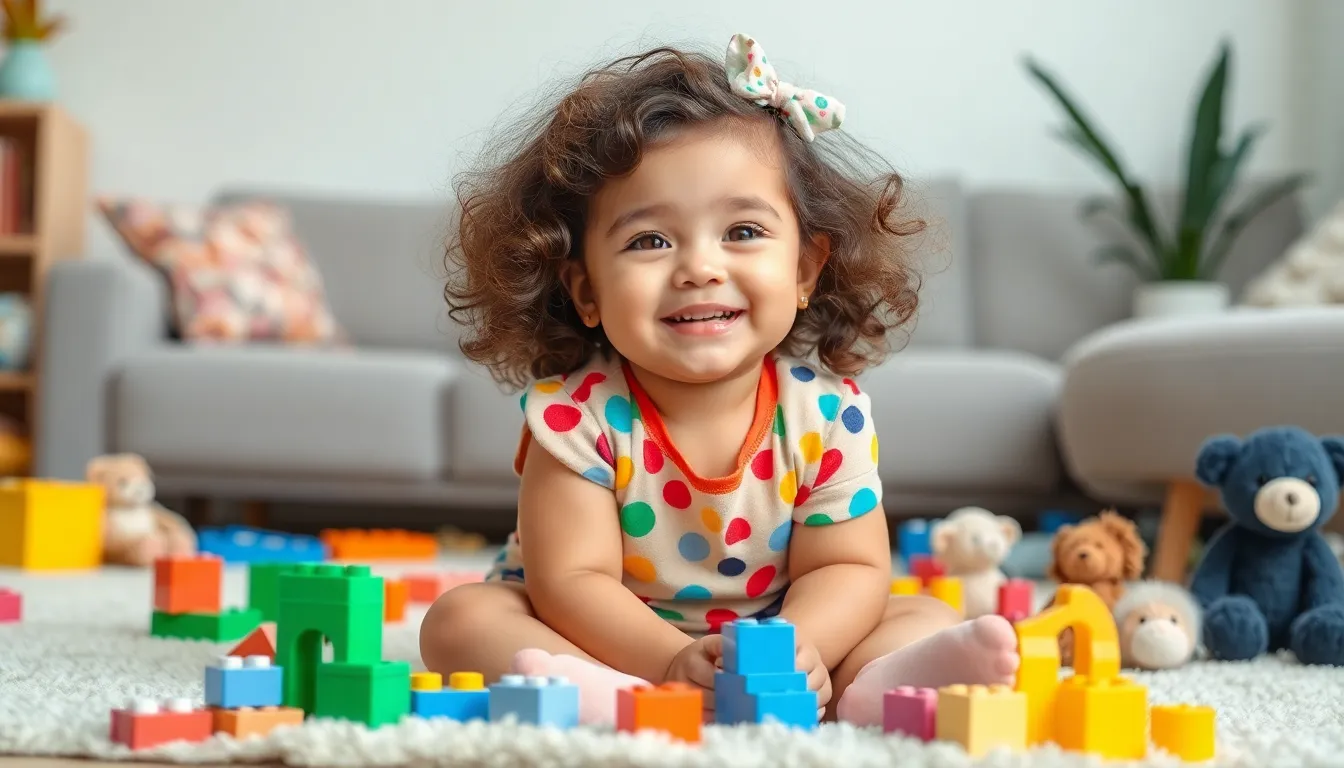
Navigating the wild world of toddler behavior can feel like trying to tame a tiny tornado. One moment they’re giggling over a game of peek-a-boo, and the next, they’re staging a one-kid protest over the color of their sippy cup. Understanding this unpredictable blend of curiosity and chaos is essential for parents and caregivers alike.
Toddlers are little bundles of energy with big emotions, and their behavior often leaves adults scratching their heads in confusion. From tantrums that could rival a Broadway show to moments of pure sweetness that melt hearts, these tiny humans are a whirlwind of contradictions. By diving into the quirks of toddler behavior, one can unlock the secrets to a smoother parenting journey and maybe even enjoy a few laughs along the way. After all, who doesn’t need a little humor when facing the daily challenges of raising a little one?
Understanding Toddler Behavior
Understanding toddler behavior involves recognizing the developmental phases they undergo. Growth in toddlers reflects significant emotional and social milestones, making it vital for caregivers to adapt.
Developmental Stages of Toddlers
Toddlers go through key developmental stages, typically ages 1 to 3. During this period, growth in language skills becomes evident as toddlers learn to express themselves verbally. Social skills also evolve, marked by increased interaction with peers and adults. Motor skill development results in improved movement, which plays a crucial role in exploration. Each stage builds on the prior one, shaping the way toddlers engage with their environment.
Common Behavioral Traits
Several common traits characterize toddler behavior. Tantrums frequently occur as they grapple with managing frustration and expressing their needs. Independence emerges as children begin asserting themselves, often leading to defiance. Curiosity drives toddlers to explore, prompting both fascination and danger. Social behaviors such as sharing or playing alongside others develop at this stage, reflecting their growing understanding of relationships. These behavioral patterns can vary widely, yet they all signal important developmental milestones.
Factors Influencing Toddler Behavior

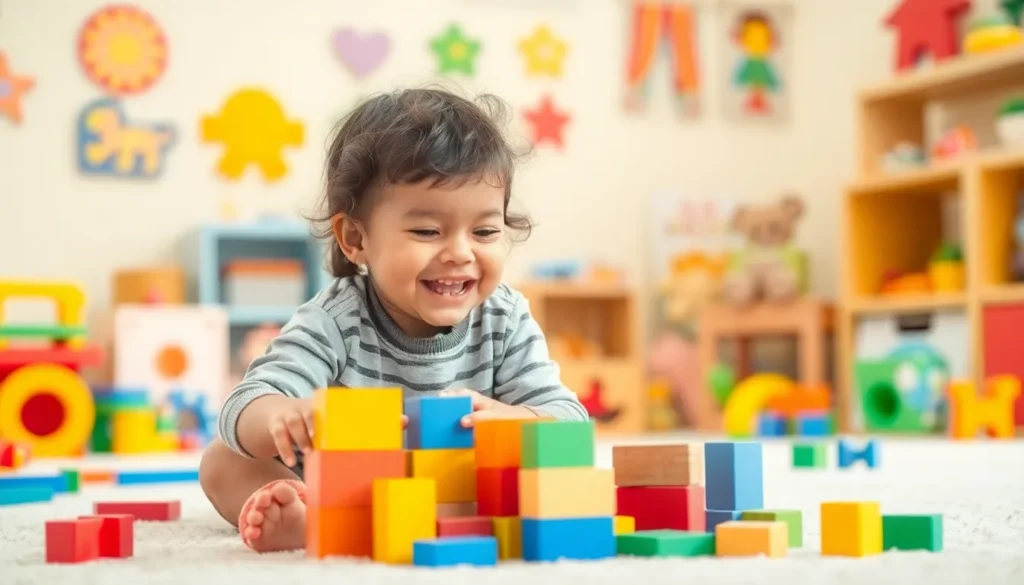
Numerous factors influence toddler behavior, shaping how they interact with the world around them. Understanding these influences helps parents and caregivers respond effectively.
Environmental Influences
Environmental factors significantly affect toddler behavior. Children exposed to a nurturing environment display fewer behavioral issues. Consistency in routines creates a sense of security, which supports emotional stability. Interaction with peers during playdates promotes social skills, while exposure to diverse experiences encourages curiosity. Noise levels and disruptions also play a role; calmer settings often lead to more focused and joyful exploration. Recognizing these environmental aspects allows caregivers to create a nurturing atmosphere for growth.
Parenting Styles
Parenting styles profoundly impact toddler behavior. Authoritative parents, using a balanced approach of warmth and structure, foster independence while maintaining boundaries. Comparison to permissive styles, which may lack limits, shows that clear guidelines help toddlers understand expectations. Authoritarian parenting often leads to increased anxiety in children, affecting their confidence and behavior. Supportive interactions cultivate secure attachment, enhancing emotional development. By adapting their approach, parents can effectively shape the behavior of their toddlers, guiding them through this critical stage.
Managing Toddler Behavior
Managing toddler behavior involves understanding and applying effective strategies. Caregivers can implement various techniques to support their toddlers through this dynamic stage.
Positive Reinforcement Techniques
Positive reinforcement encourages desired behaviors in toddlers. This method involves recognizing and rewarding good behavior with praise or small rewards. For example, celebrating a toddler’s cooperation during cleanup can promote similar actions in the future. Using clear language emphasizes the behavior being rewarded, helping toddlers make connections. Consistency in celebrating good behavior reinforces these patterns, making it easier for toddlers to understand expectations. Setting achievable goals keeps them motivated and engaged.
Establishing Routines
Establishing a routine provides toddlers with predictability and security. A consistent daily schedule helps them understand what to expect, reducing anxiety around transitions. For instance, regular meal times, playtimes, and bedtimes create a sense of stability. Implementing visual schedules or charts can aid in this process, allowing toddlers to anticipate activities easily. Allowing for some flexibility in routines supports independence, so they learn to adapt while maintaining security. Routines encourage responsibility as toddlers begin to follow established patterns autonomously.
Challenges in Toddler Behavior
Understanding toddler behavior involves recognizing significant challenges. Tantrums and social interactions often pose difficulties for both toddlers and their caregivers.
Tantrums and Emotional Outbursts
Tantrums serve as a common occurrence among toddlers, usually manifesting between ages 1 and 3. They often occur due to frustration or inability to express feelings verbally. Emotional outbursts typically result from limited coping mechanisms, leading to crying, screaming, or physical displays like throwing toys. Caregivers can manage these episodes by remaining calm and providing reassurance, which helps toddlers feel secure. Explaining feelings and setting clear boundaries promotes emotional growth over time.
Social Interactions with Peers
Social interactions present both opportunities and challenges for toddlers. They frequently explore relationships during playtime, often engaging in parallel play. Sharing toys and taking turns can prove difficult, indicating a developing understanding of social dynamics. Supportive caregivers can foster these skills by encouraging cooperative play. Furthermore, teaching empathy and recognition of others’ feelings enhances social awareness. Observing toddlers interact helps caregivers identify strengths and areas needing attention.