

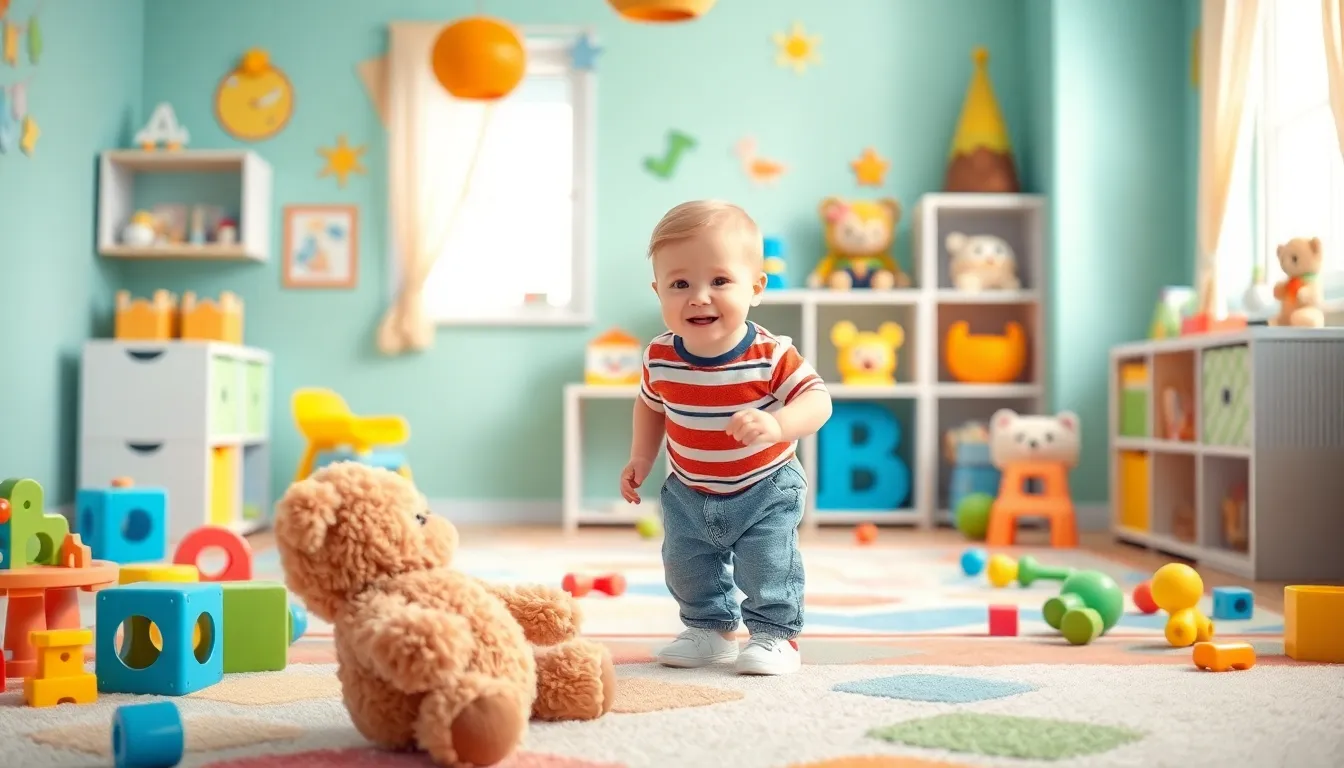
The baby to toddler transition can feel like a wild rollercoaster ride—exciting, a bit scary, and definitely full of unexpected twists. One moment, parents are cradling a tiny bundle of joy, and the next, they’re chasing a pint-sized tornado intent on exploring every corner of the house. It’s a thrilling time filled with new milestones, endless curiosity, and perhaps a few more gray hairs.
As little ones transform from cooing babies into adventurous toddlers, parents face a whirlwind of changes. From sleep schedules that resemble a game of whack-a-mole to the introduction of solid foods that can turn mealtime into a food fight, this journey is anything but dull. Understanding the ins and outs of this transition can help parents navigate the chaos with a smile—because let’s face it, laughter is the best tool in any parenting toolkit.
Understanding Baby To Toddler Transition
Understanding the transition from baby to toddler involves recognizing the speed of development during this period. Physical changes occur rapidly, as infants start to crawl, stand, and eventually walk. Cognitive growth also accelerates, with toddlers beginning to express their thoughts and feelings more clearly.
Parents encounter significant adjustments, particularly with sleep patterns. Nighttime routines may shift as toddlers resist sleep or transition to one nap per day. It’s crucial for parents to establish consistent bedtime routines to help toddlers feel secure and develop healthy sleep habits.
Mealtimes often become unpredictable. Introducing solid foods can lead to experimentation with textures and flavors. Parents may need to be patient as toddlers express preferences or reject certain foods altogether.
Social interactions expand as toddlers engage with peers. They may start to play alongside other children, paving the way for early social skills. Encouraging playdates fosters communication and sharing.
Emotional changes also play a role in this transition. Toddlers explore independence, which can lead to frustration and tantrums. Recognizing these emotions and providing reassurance can help parents guide toddlers through their feelings.
Understanding this transition demands awareness of various developmental milestones. Supporting toddlers during this time requires patience, flexibility, and encouragement. Engaging with them positively fosters an environment conducive to growth and learning.
Key Developmental Milestones
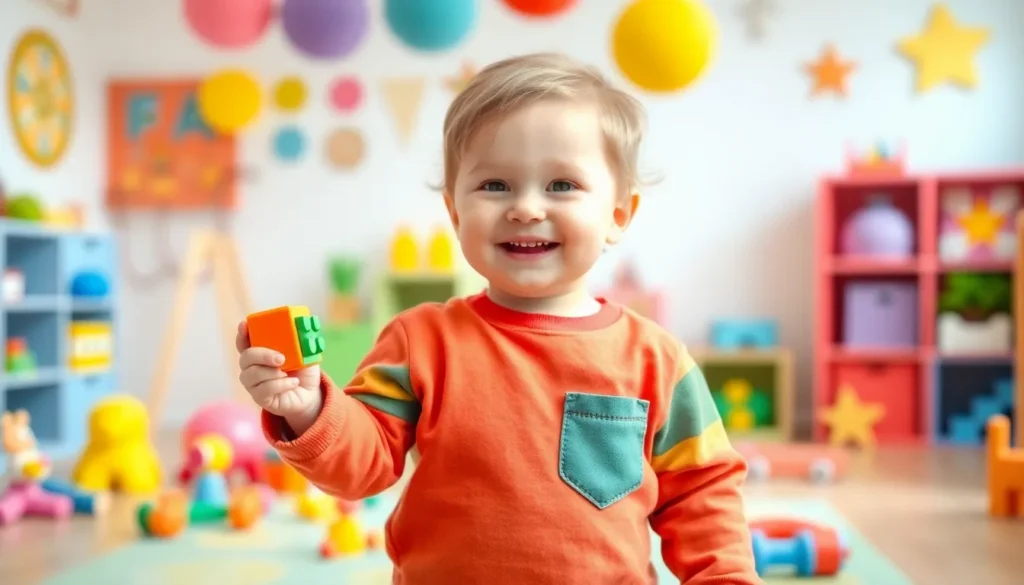
The transition from baby to toddler encompasses significant developmental changes. Parents often notice alterations in physical, cognitive, and emotional aspects as their child grows.
Physical Changes
Movement becomes a focal point during this stage. Infants progress from crawling to standing and eventually walking. Independent movement fosters spatial awareness and coordination, enhancing physical confidence. Fine motor skills also develop, allowing toddlers to grasp objects and manipulate toys. These milestones occur around 12 to 18 months, with most toddlers walking by 15 months. Parents can support this growth through safe exploration and encouraging play that enhances gross and fine motor skills.
Cognitive Development
Cognitive development thrives as toddlers engage with their environment. Curiosity drives them to explore, learn, and understand the world around them. Problem-solving skills improve as they interact with toys and puzzles, typically around 18 months. Vocabulary expands rapidly, enabling toddlers to express thoughts and feelings more effectively. By 24 months, many can form simple sentences. Parents can stimulate cognitive development by reading, encouraging questions, and providing engaging learning activities.
Emotional Growth
Emotional maturity evolves significantly at this stage. As toddlers seek independence, they often encounter frustration when faced with limitations. Tantrums may arise as they develop autonomy. Understanding emotions becomes crucial, as toddlers learn to identify and articulate their feelings. By age two, many begin to exhibit empathy towards others’ emotions. Parents support emotional growth by offering reassurance, modeling emotional expression, and maintaining a consistent routine, which fosters a sense of security.
Preparing for the Transition
Preparing for the baby to toddler transition involves adapting both the home environment and parenting strategies. Addressing specific changes helps ease this exciting phase.
Setting Up the Environment
Creating a toddler-friendly space is essential for safety and exploration. Secure furniture and remove hazards like sharp objects or accessible chemicals. Arrange play areas with age-appropriate toys that stimulate development. Assign a dedicated space for safe movement to encourage crawling and walking. Ensure easy access to books and activity materials that spark curiosity. Monitor changes in routine, making adjustments as toddlers learn and grow.
Introducing Independence
Encouraging independence plays a vital role in this transition. Offer choices in clothing or snacks to empower decision-making. Allow opportunities for self-feeding using child-friendly utensils, fostering confidence. Set simple tasks, like picking up toys, to build responsibility. Support exploration by providing safe environments for experimentation. Recognizing emotional needs helps guide toddlers through frustrations and successes. Building independence is a significant milestone that promotes self-esteem and autonomy.
Parenting Strategies for a Smooth Transition
Parenting during the baby to toddler transition requires active strategies to support growth. Employing specific techniques can foster a positive experience.
Encouraging Exploration
Encouraging exploration benefits toddlers’ development immensely. Create a safe environment filled with age-appropriate toys to stimulate curiosity. Provide opportunities for outdoor play, which enhances motor skills and coordination. Allow them to lead their playtime sessions, promoting independence and decision-making. Engaging in messy play helps toddlers explore textures and sensations, enhancing sensory experiences. Incorporating simple games like hide and seek nurtures problem-solving skills. Lastly, participate in their exploration by asking questions and providing guidance, reinforcing communication skills.
Managing Sleep Changes
Managing sleep changes demands consistency and patience. Establish a consistent bedtime routine that includes calming activities like reading or singing. Gradually adjust nap schedules, preparing for the transition from multiple naps to one. Create a sleep-friendly environment, ensuring the room is dark and quiet. Encourage self-soothing techniques, which help toddlers learn to fall asleep independently. Monitor sleep patterns to identify any disruptions, addressing them promptly to minimize stress. Lastly, remain flexible, as occasional changes may occur, allowing adjustments to suit your child’s needs.
Common Challenges During the Transition
The transition from baby to toddler presents various challenges for parents. Understanding these difficulties helps foster a smoother experience.
Behavioral Issues
Toddlers often display a wide range of behavioral issues. Temper tantrums frequently occur as they assert independence. Increased curiosity might lead to defiance, causing frustration for parents. They may refuse to follow directions, preferring to test boundaries instead. Social interactions introduce new dynamics, which can lead to conflicts; sharing toys often becomes a contentious issue. Late-night meltdowns can also disrupt household peace, leaving parents feeling overwhelmed. Recognizing these behaviors enables parents to respond with patience and understanding.
Changes in Routine
Routine shifts mark another significant challenge during the toddler transition. Disrupted sleep patterns often emerge, as toddlers may resist bedtime or wake more frequently. Morning schedules can become chaotic, especially when preparing for outings. Meal times also undergo changes, with toddlers experimenting with different foods and refusing familiar options. Incorporating naps into their day may require adjustments, as some toddlers transition to a single afternoon nap. Establishing new routines can alleviate stress; consistency plays a vital role in helping toddlers feel secure amid these changes.
The transition from baby to toddler is a significant milestone filled with growth and discovery. Parents can navigate this exciting phase by embracing the changes and fostering a supportive environment. By prioritizing consistent routines and encouraging exploration, they can help their toddlers thrive amid the challenges of this developmental stage.
Understanding the emotional landscape of toddlers is essential for guiding them through their frustrations and triumphs. With patience and flexibility, parents can turn this chaotic period into a rewarding journey of independence and learning. Embracing the adventure of this transition allows both parents and toddlers to bond and grow together, laying the foundation for future experiences.