

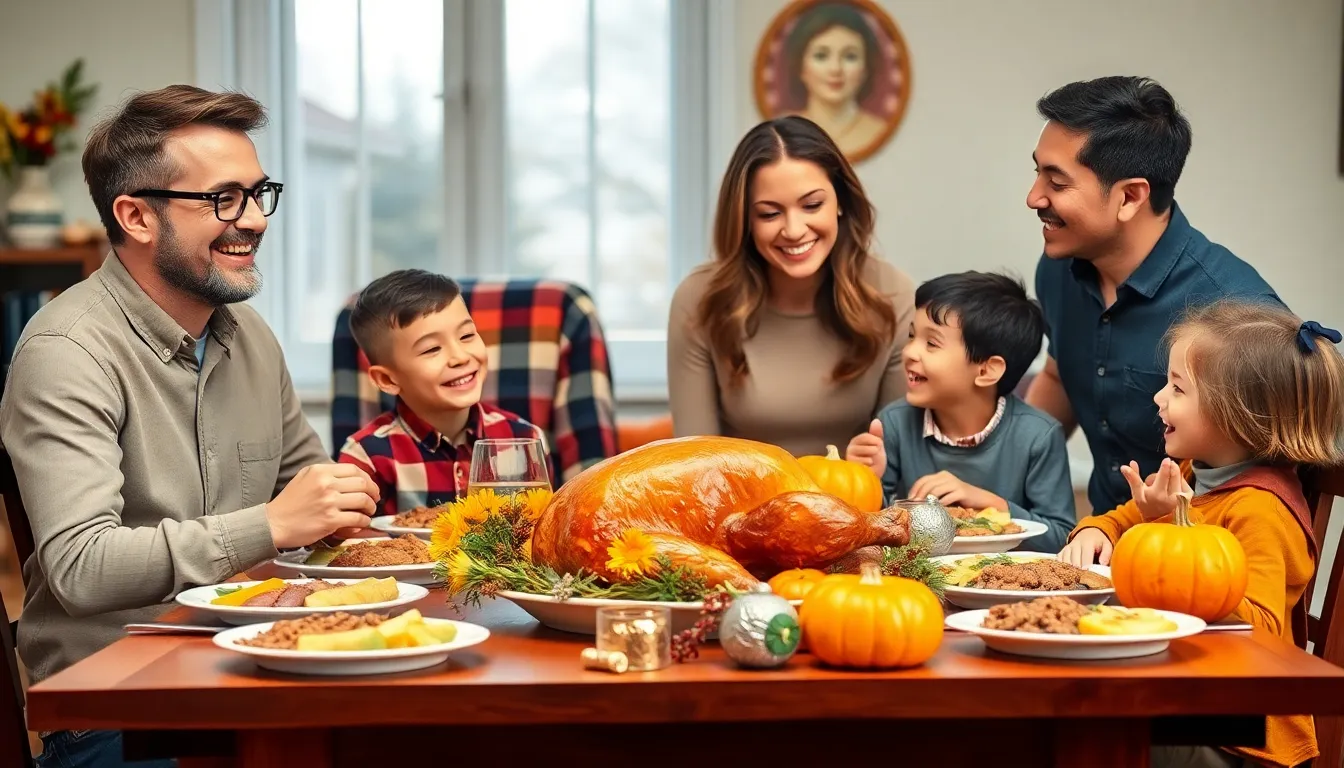
Family traditions are the quirky glue that holds households together. From the annual debate over who makes the best holiday pie to the sacred ritual of game night where no one can leave without a friendly (or not-so-friendly) argument, these customs create lasting memories. They’re the inside jokes that only family members understand and the stories that get retold at every gathering, often with exaggerated flair.
But why do these traditions matter? They foster connection and create a sense of belonging, turning ordinary moments into extraordinary ones. Whether it’s a unique way of celebrating birthdays or a peculiar family chant before dinner, these practices shape identities and bring laughter to the dinner table. Dive into the world of family traditions and discover how these delightful quirks can enrich lives, one laugh at a time.
Importance Of Family Traditions
Family traditions play a crucial role in shaping relationships and enhancing family dynamics. They serve as a foundation for connection, joy, and continuity within family units.
Strengthening Family Bonds
Family traditions strengthen bonds through shared activities and experiences. Parents and children engage in meaningful interactions during rituals such as holiday dinners or annual trips. These moments create opportunities for open communication and understanding. Traditions also promote teamwork, whether it’s preparing a family recipe together or solving puzzles during game nights. Such collaborative efforts lead to deeper emotional connections, fostering trust and love among family members.
Creating Lasting Memories
Memories created through family traditions often endure for generations. Repeating rituals, like celebrating birthdays or holiday celebrations, engrains cherished experiences in the minds of family members. Each event offers a chance to relive joyful moments, whether it’s laughter over a favorite dessert or storytelling around a campfire. These experiences construct a rich tapestry of shared history that families reflect upon in the future. Additionally, children gain a sense of belonging, knowing they are part of something larger than themselves. This sense of identity stems from participating in traditions that resonate with their family’s core values and heritage.
Common Family Traditions Around The World
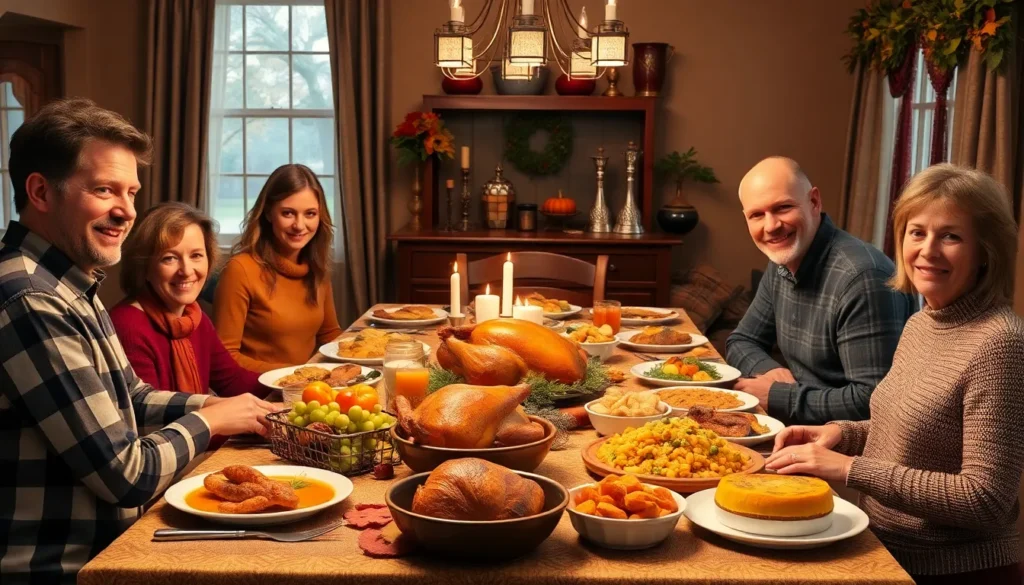
Family traditions manifest in various ways globally, reflecting unique cultures and values. These traditions create bonds and enhance familial relationships.
Holiday Celebrations
Different cultures celebrate holidays with distinct customs. In Mexico, families participate in “Día de los Muertos” to honor deceased loved ones through altars, food, and gatherings. Italian families often get together for “La Vigilia,” a Christmas Eve feast featuring seven fish dishes. Families in the United States share Thanksgiving, where they express gratitude over a meal that typically includes turkey and pumpkin pie. Each celebration strengthens connections among family members and creates lasting memories.
Weekly Rituals
Weekly routines also play a vital role in family life. Sunday dinners are common in many households, where extended family gathers to share a meal and catch up on life. In Japan, families might practice “Hanami,” enjoying cherry blossoms together in the spring. Game nights, popular in various cultures, offer fun and friendly competition, fostering teamwork and laughter. Engaging in these rituals builds a sense of unity and understanding within families.
Unique Traditions In Diverse Cultures
Family traditions vary widely among cultures, reflecting unique values and customs across the globe. Each tradition showcases a family’s heritage and unity.
Food Customs
Families around the world often share distinctive food customs that highlight cultural identities. In Mexico, families gather for tamales during Christmas, celebrating togetherness. Italy embraces the “La Vigilia,” a feast on Christmas Eve featuring multiple seafood dishes. Jewish families observe “Shabbat” with a traditional meal, focusing on rest and reflection. In India, the festival of Diwali features sweets shared among family members, symbolizing prosperity and joy. Such food traditions facilitate sharing stories and creating lasting memories, reinforcing familial bonds.
Celebratory Practices
Celebrations across cultures offer unique ways for families to connect. In Japan, families participate in “Hanami,” enjoying cherry blossoms while celebrating the arrival of spring. Diwali in India is marked by family gatherings filled with light, fireworks, and rituals. In the United States, Thanksgiving promotes gratitude through shared meals and family stories. These celebratory practices foster unity and understanding, enriching family connections while forging deeper emotional ties. Each tradition creates a sense of belonging and cultural pride among family members.
Adapting Traditions In Modern Families
Modern families adapt traditions to fit changing lifestyles, ensuring relevance in a fast-paced world. Technology plays a significant role in this transformation, enhancing how families connect.
Technology And Family Traditions
Families integrate technology into their traditions, enhancing interaction and participation. Virtual gatherings through video calls allow relatives to celebrate together, even when apart. Social media enables families to share pivotal moments instantly, creating a digital scrapbook of experiences. Similarly, online platforms host virtual games or movie nights, combining modern entertainment with cherished family activities. Engaging with technology fosters inclusivity, ensuring every family member, regardless of distance, feels connected.
Blending Diverse Backgrounds
Blending diverse backgrounds enriches family traditions and creates unique customs. Intermarriage introduces individuals from various cultures, influencing how families celebrate. Some families incorporate elements from each heritage, resulting in innovative traditions that honor both sides. For instance, a holiday meal might feature dishes from multiple cultures, allowing everyone to experience a broader perspective. Celebrating different cultural holidays provides children with a well-rounded sense of identity and appreciation for diversity. This blending process nurtures understanding and respect, enhancing family bonds through shared experiences and values.
Family traditions are more than just rituals; they’re the threads that weave families together. Through shared experiences and cultural practices, families cultivate a sense of belonging and identity that transcends generations. These traditions not only create cherished memories but also foster deeper emotional connections among family members.
As families adapt to modern lifestyles, the essence of these traditions remains vital. Whether through innovative customs or the use of technology to stay connected, the spirit of togetherness continues to thrive. Embracing and celebrating these unique traditions enriches family life, ensuring that bonds remain strong and cherished for years to come.