


Imagine a world where toddlers not only learn to count but do so while singing “Frère Jacques.” The French curriculum for toddlers offers a delightful blend of language, culture, and fun that transforms early education into an adventure. It’s not just about vocabulary; it’s about immersing little ones in a rich tapestry of sounds, stories, and playful interactions that spark their curiosity and creativity.
Incorporating French into a toddler’s life isn’t just smart; it’s a ticket to a future filled with possibilities. With engaging activities and vibrant lessons, kids will giggle their way through learning, making new friends along the way. So why not sprinkle a little French flair into their formative years? After all, who wouldn’t want their child to be the next little Picasso or Marie Curie, all while mastering the art of saying “bonjour”?
Overview of French Curriculum for Toddlers
The French curriculum for toddlers focuses on immersive language experiences. Language exposure occurs through songs, rhymes, and interactive storytelling. These elements engage toddlers while building a foundation for vocabulary and pronunciation.
Activities emphasize play-based learning. Arts and crafts incorporate French vocabulary, allowing children to practice in practical settings. Movement games combine physical activity with language learning, reinforcing retention and comprehension.
Cultural elements are integrated into the curriculum. Celebrating French holidays like Bastille Day introduces children to cultural traditions. Meals often feature French cuisine, teaching toddlers about different foods and enhancing their tasting experiences.
The curriculum adapts to various learning styles. Visual aids, such as flashcards and illustrated books, support visual learners. Auditory learners benefit from listening exercises that enhance their language skills through music and storytelling.
Parent involvement is also encouraged. Workshops and events provide parents with tools to support their child’s French language journey. This collaboration strengthens the connection between home and school, fostering a supportive language-rich environment.
Overall, the French curriculum nurtures language acquisition and cultural appreciation. It transforms early childhood education into an enriching experience that promotes curiosity and creativity. By engaging toddlers with diverse activities, children develop a love for learning that extends beyond language.
Key Components of the Curriculum
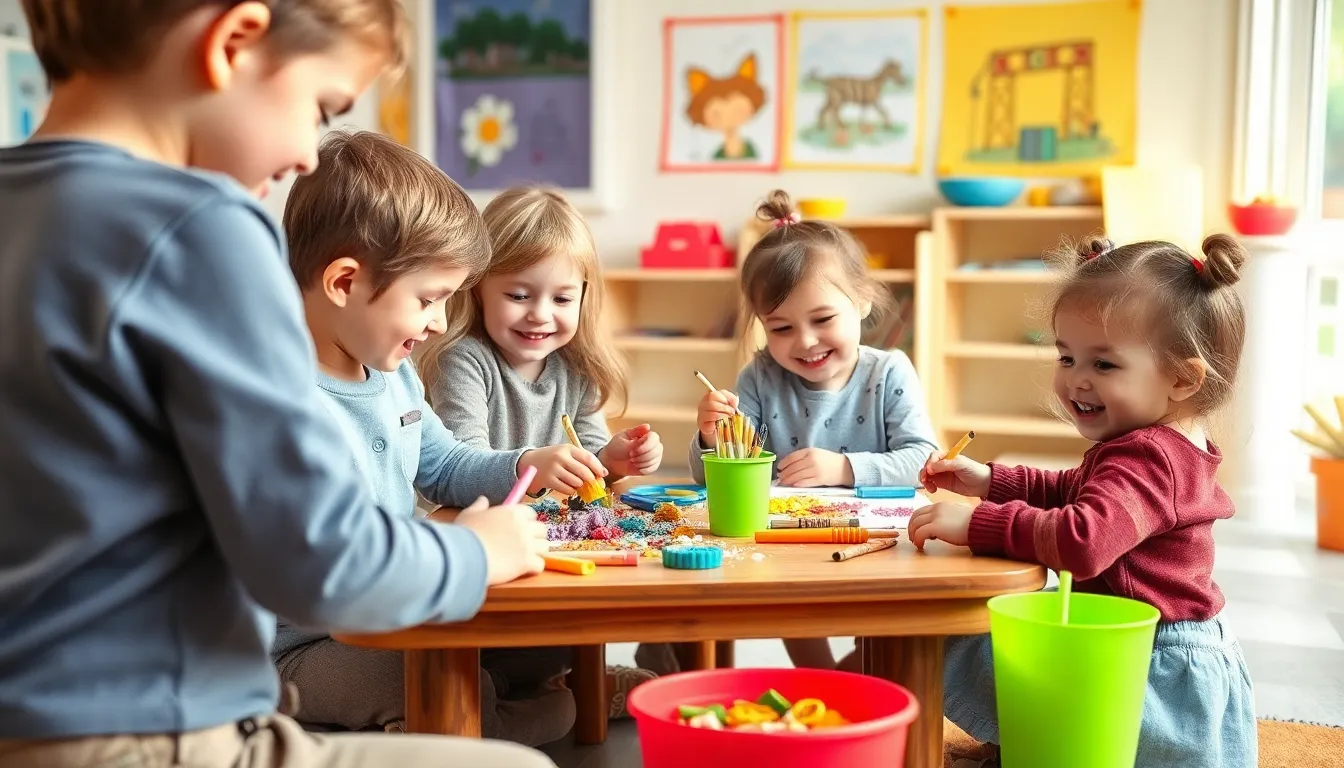
The French curriculum for toddlers incorporates several essential components that enhance language acquisition and overall development.
Language Development
Language development occurs through immersive engagement with French. Toddlers encounter vocabulary through songs, rhymes, and interactive storytelling, allowing them to absorb new words naturally. Consistent exposure through play-based activities reinforces language skills. For instance, arts and crafts integrate French terminology, ensuring that learning feels enjoyable. Movement games add an energetic element, where physical activity aids retention. Each child’s individual pace is respected, allowing natural progression in language skills.
Cognitive Skills
Cognitive skills flourish in an environment rich in French language and culture. Problem-solving abilities sharpen as toddlers participate in activities that encourage critical thinking. Engaging in hands-on tasks stimulates creativity and cognitive development. Exploration during craft projects offers opportunities for decision-making and experimentation with materials. Listening to stories fosters comprehension and analytical thinking. Each of these experiences contributes uniquely to a child’s cognitive growth.
Social and Emotional Growth
Social and emotional growth is fostered through shared experiences in a bilingual setting. Group activities encourage collaboration, allowing toddlers to interact with peers while practicing French. Emotional intelligence develops as children learn to express themselves in a second language. Celebrating French holidays creates a sense of community, building connections among children and families. Encouraging parent involvement through workshops strengthens the bonds of learning at home. Together, these elements promote holistic development for young learners.
Benefits of Early French Education
Early French education offers numerous advantages for toddlers, fostering a rich environment that emphasizes language, culture, and social skills.
Cultural Awareness
Cultural awareness develops naturally through exposure to French traditions. Incorporating French holidays and cuisine introduces toddlers to diverse customs. Celebration of events such as Bastille Day fosters appreciation for cultural differences. Familiarity with French art and music enhances exposure to global influences. By engaging with French storytelling, toddlers gain insights into values and norms from another culture. Such experiences lay the groundwork for empathy and openness. These opportunities encourage curiosity about the world and deepen understanding of multicultural experiences.
Enhanced Learning Abilities
Enhanced learning abilities manifest as toddlers interact with the French language. Language acquisition strengthens cognitive functions through immersive play. Engaging with songs and stories stimulates memory and creativity. Activities such as arts and crafts provide hands-on experiences that reinforce vocabulary. Problem-solving emerges from games that challenge toddlers to think critically and work collaboratively. Social interactions promote communication skills, enabling toddlers to express themselves effectively. The enriching environment nurtures their intellectual curiosity, paving the way for future academic success.
Challenges in Implementing the Curriculum
Implementing a French curriculum for toddlers presents various challenges that educators and parents must navigate.
Resource Availability
Limited resources pose a significant challenge when introducing French curricula. Many schools may lack access to quality materials like books, audio resources, and digital tools. Not all programs provide specifically tailored resources for early childhood education, which hinders effective language immersion. Teachers often struggle to find engaging materials that keep toddlers interested. Training for educators is another crucial factor; without proper training in language instruction, achieving curriculum goals becomes difficult. Schools must invest in resources and training to overcome these obstacles and provide a rich learning experience.
Parental Involvement
Parental involvement is vital for the success of any educational program, including a French curriculum. Some parents may feel uncertain about how to support their child’s language learning. Without adequate guidance, they might not participate as actively as needed. Engaging parents through workshops can bridge this gap, equipping them with strategies to reinforce learning at home. Encouraging parents to attend cultural events or language nights can enhance community ties and motivation. When parents actively participate, children’s language acquisition benefits significantly, ensuring consistency between home and school learning environments.
The French curriculum for toddlers offers a unique blend of language learning and cultural appreciation that sets the foundation for lifelong skills. By engaging children through interactive activities and immersive experiences, it nurtures not only language acquisition but also cognitive and social development.
With the right resources and parental involvement, the challenges of implementing this curriculum can be overcome, creating a rich learning environment. As toddlers explore the French language and culture, they not only enhance their vocabulary but also develop empathy and a broader worldview. Embracing this curriculum is an investment in a child’s future, fostering curiosity and a love for learning that will last a lifetime.