

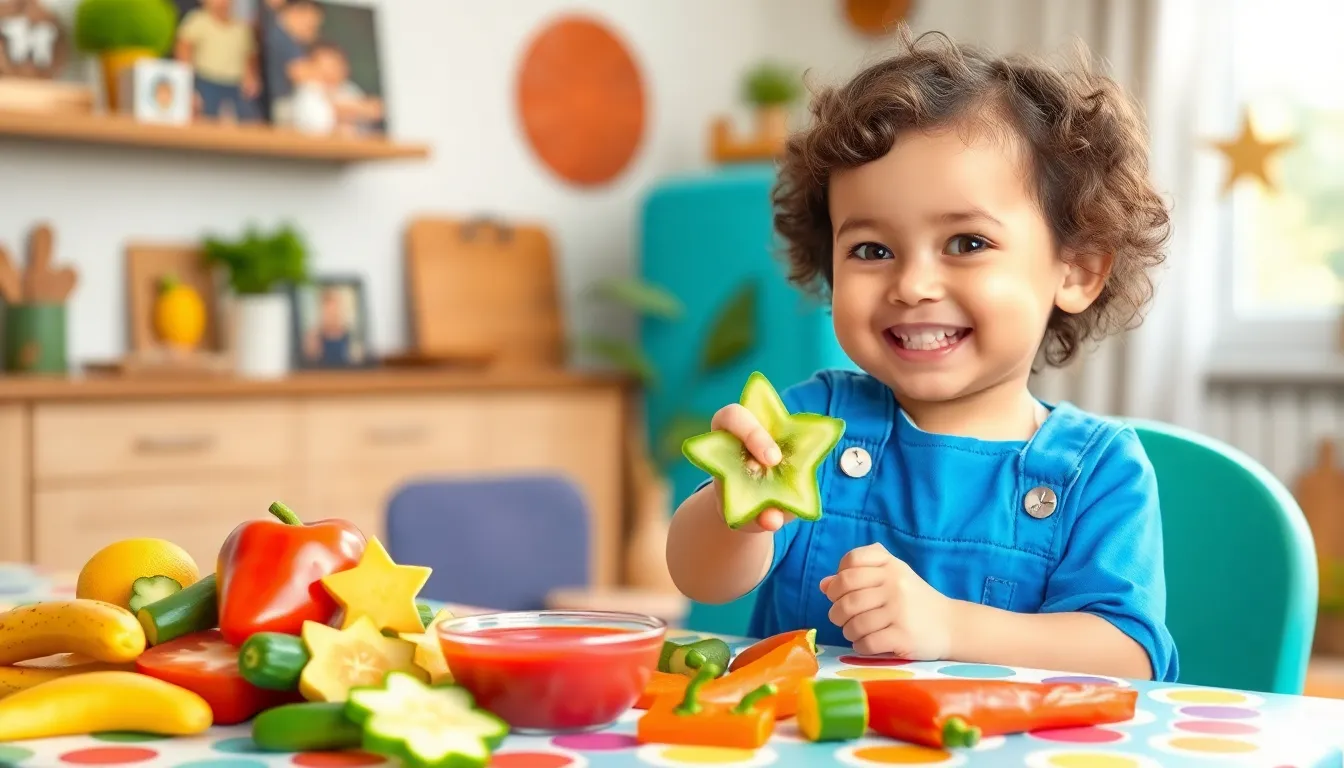
Navigating the world of toddler eating habits can feel like trying to solve a Rubik’s Cube blindfolded. One minute they’re munching on broccoli like it’s candy, and the next, they’re staging a full-blown protest over a single pea. Parents often find themselves caught in the crossfire of culinary chaos, wondering if their little ones will ever embrace the joys of a balanced diet.
But fear not! Understanding toddler eating habits doesn’t have to be a daunting task. With a sprinkle of patience and a dash of creativity, mealtime can transform from a battlefield into a delightful adventure. From the mysterious allure of food shapes to the magic of dipping sauces, there are plenty of tricks to encourage healthy eating without the tears. Let’s dive into the whimsical world of toddler dining, where every bite is a step toward a lifelong love of good food.
Understanding Toddler Eating Habits
Toddler eating habits often pose challenges for parents. Recognizing patterns can help guide mealtime more effectively.
Common Behavioral Patterns
Toddlers frequently display specific eating behaviors. They may refuse certain foods one day and demand them the next. Picky eating commonly arises during this stage. Some toddlers may eat only specific colors or textures. Familiarity with food influences willingness to try new items. Meal times often exhibit joyous explorations or sudden disinterest. Toddlers tend to mimic adults, making positive role models important for developing healthy habits.
Factors Influencing Eating Habits
Several factors shape a toddler’s eating habits. Environmental factors include the presence of peers or family during meals. Social dynamics can affect food choices. Emotional influences play a critical role, such as comfort during stressful times or discomfort in new situations. Nutrition education also impacts decisions; when parents introduce a variety of foods, toddlers explore with more curiosity. Routine consistency provides security around mealtimes, while creative presentation of foods can enhance interest.
Nutritional Needs of Toddlers
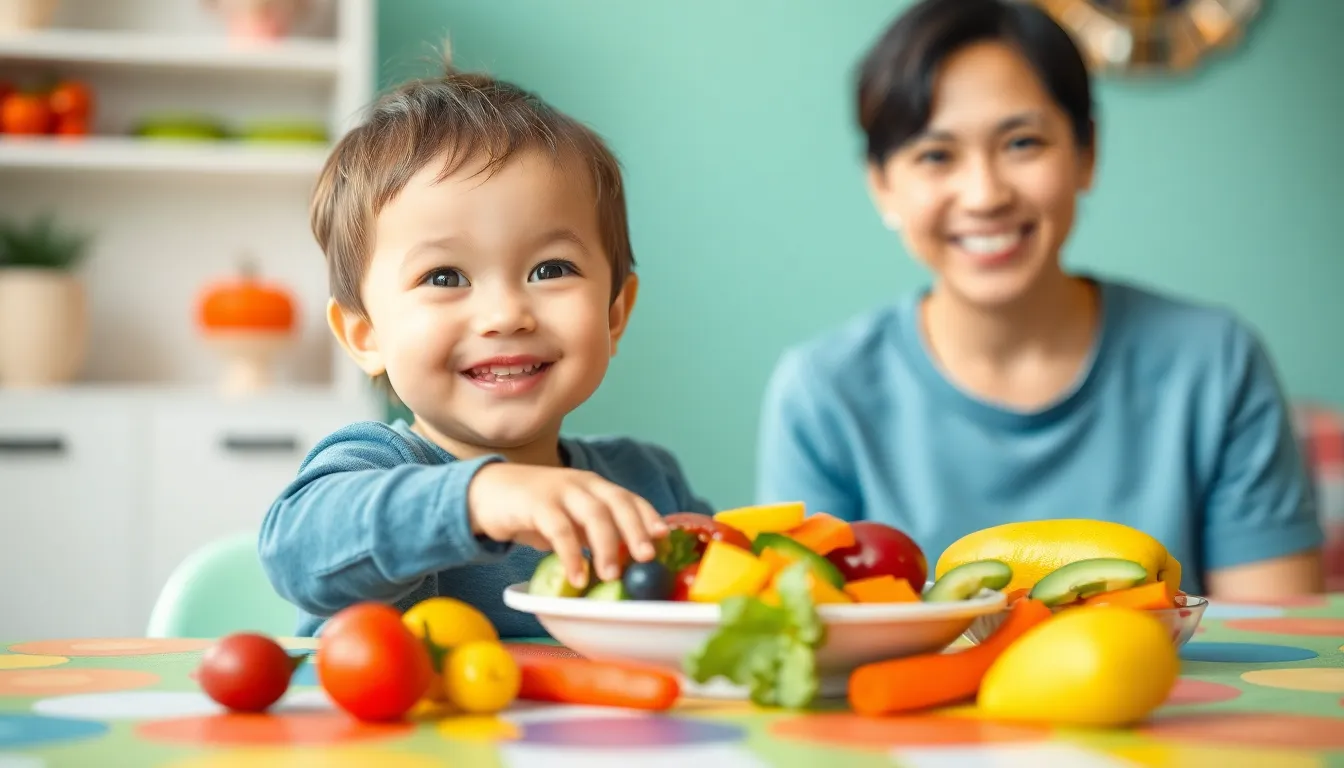
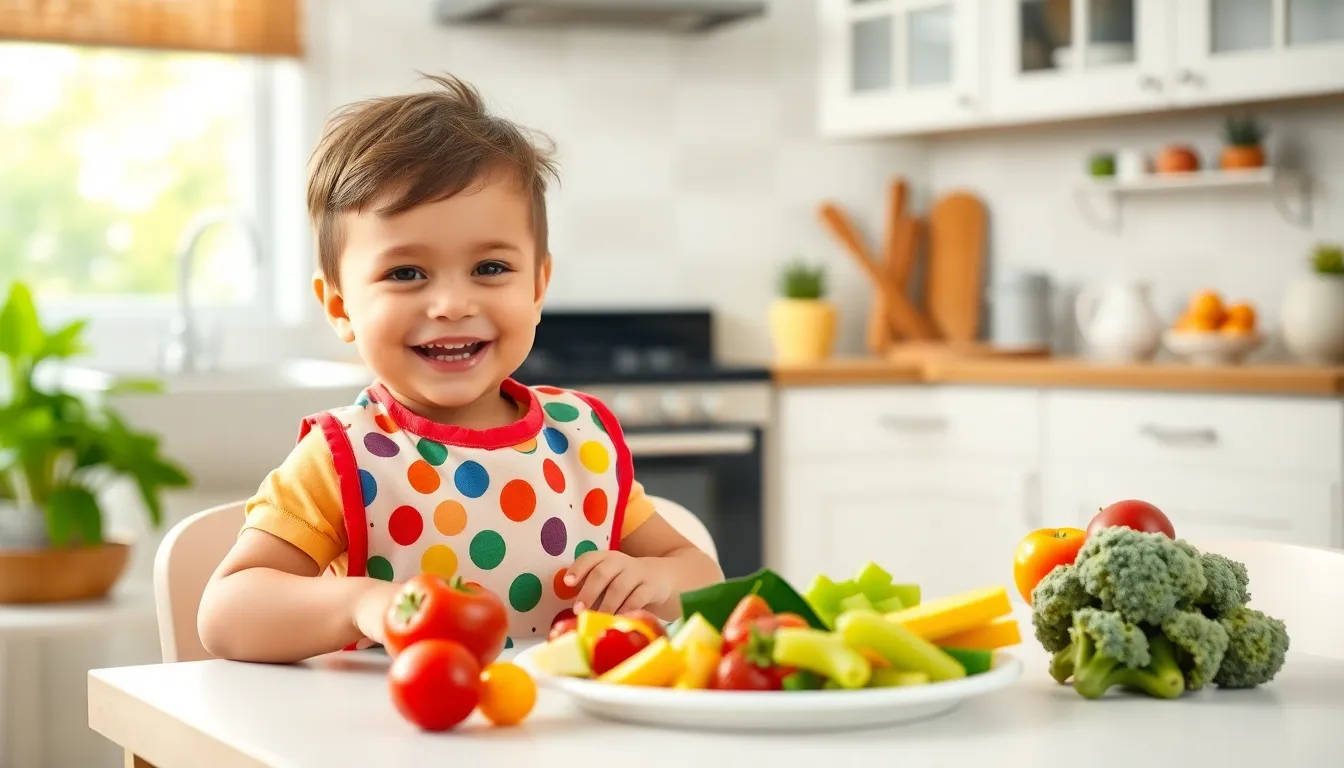
Understanding toddlers’ nutritional needs is essential for their development and overall health. Balanced diets promote proper growth and set the foundation for lifelong eating habits.
Key Nutrients for Growth
Iron supports cognitive development and helps prevent anemia. Foods rich in iron include lean meats, beans, and fortified cereals. Calcium strengthens bones and teeth; sources include dairy products, leafy greens, and fortified alternatives. Vitamin D aids calcium absorption, and sunlight is a natural source, while fortified foods can also help. Omega-3 fatty acids promote brain health and can be found in fatty fish, walnuts, and flaxseeds. Vitamins A, C, and E contribute to overall immunity and skin health, available in fruits, vegetables, and nuts.
Portion Sizes and Recommendations
Portion sizes for toddlers often differ from adult recommendations due to their smaller stomachs. Typically, a serving size is about one tablespoon of each food for each year of age. For instance, a three-year-old might eat three tablespoons of vegetables and three tablespoons of grains. It’s helpful to present food in varied shapes and colors to encourage interest. Mealtimes should focus on a balance of fruits, vegetables, proteins, grains, and dairy. Parents can model appropriate portion sizes through their own meals, supporting toddlers’ understanding of healthy food relationships.
Strategies to Encourage Healthy Eating
Encouraging healthy eating habits in toddlers requires creativity and strategy. Implementing simple techniques can lead to positive changes in mealtime behavior.
Creating a Positive Eating Environment
Establishing a calm atmosphere during meals promotes better eating habits. Soft lighting and minimal distractions create a welcoming space. Sitting together as a family fosters connection and encourages toddlers to emulate adult eating patterns. Oftentimes, using colorful plates or placemats can make food more appealing. Consistency in meal times helps regulate hunger cues and shapes expectations. Parents and caregivers must remain patient and supportive, allowing toddlers to explore foods at their own pace.
Involving Toddlers in Meal Preparation
Including toddlers in the cooking process enhances their interest in food. Simple tasks, such as washing fruits or tearing lettuce, make them feel accomplished. Many children enjoy choosing which ingredients to use, boosting their sense of autonomy. Discussing colors, shapes, and tastes during meal prep sparks curiosity about new foods. These interactions also build foundational cooking skills for the future. Engaging toddlers in meal planning increases their willingness to try new dishes and develop a more adventurous palate.
Dealing with Picky Eaters
Picky eating can challenge parents, but effective strategies make mealtimes more enjoyable. Each child is unique, and adjusting approaches can help in overcoming food aversions.
Tips for Managing Food Refusal
Creating a relaxed mealtime atmosphere encourages exploration of foods. Offering choices allows toddlers to feel empowered in their selections. Sticking to a routine provides comfort, making them more willing to taste new items. Using creative presentations adds fun; try arranging food into shapes or fun designs. Avoid pressuring toddlers as that can lead to resistance. Instead, reinforcing positive behaviors, such as trying a bite, promotes openness to diverse foods.
Introducing New Foods Gradually
Start introducing new foods alongside familiar favorites. Gradual integration helps toddlers adjust without feeling overwhelmed. Offering small portions of new items reduces intimidation and sparks curiosity. Repeated exposure is essential; presenting a food multiple times can lead to acceptance. Encouraging toddlers to participate in selecting foods fosters interest in variety. Disguising new ingredients in favorite dishes can also ease the transition.